What to Check Before Buying a Used Diesel Truck: DEF System Inspection Guide
Buying a used diesel truck can save you thousands compared to a new one, but it also carries risks—especially with the emissions aftertreatment system. The DEF system, SCR catalyst, and DPF are expensive to replace, and sellers rarely disclose problems until the deal is done.
The short answer: Before buying any used diesel truck with an SCR system (2010+ for heavy duty, 2015+ for most light duty), scan for active DEF/SCR fault codes, check DEF quality and level, inspect the dosing module for crystallization, verify the DPF soot load, and confirm the SCR catalyst efficiency with live data. A failed SCR catalyst alone can cost $3,000-$8,000 to replace. Never buy a used diesel truck without a professional pre-purchase inspection that includes the aftertreatment system.
This guide provides a complete checklist for inspecting the DEF system on a used diesel truck before you sign the paperwork.
Why the DEF System Matters When Buying Used
The DEF system is one of the most expensive maintenance items on a modern diesel truck. Here is what replacement costs look like if you inherit someone else’s neglected system:
| Component | Light Duty (Pickup) | Medium Duty | Heavy Duty (Semi) |
|---|---|---|---|
| DEF Injector / Dosing Module | $200 – $600 | $300 – $700 | $400 – $900 |
| SCR Catalyst | $800 – $2,000 | $1,500 – $3,500 | $3,000 – $8,000 |
| DPF (if damaged) | $600 – $1,500 | $1,000 – $2,500 | $2,000 – $4,500 |
| NOx Sensors (pair) | $300 – $600 | $400 – $800 | $500 – $1,200 |
| DEF Pump | $150 – $400 | $250 – $550 | $350 – $700 |
| Total Potential Costs | $2,050 – $5,100 | $3,450 – $8,050 | $6,250 – $15,300 |
A neglected DEF system can turn a “$30,000 great deal” into a “$40,000 money pit” within the first year. Spending $200 on a professional inspection before purchase is the best investment you can make.
10-Point DEF System Inspection Checklist
1. Scan for Active and Pending Codes
Use a professional-grade scan tool (not just a basic OBD-II reader) to check for:
- P20EE / P20EF (SCR catalyst efficiency)
- P20B9 / P20BA (DEF heater failure)
- P204F (reductant system performance)
- P203F (DEF level/quality)
- P245A-P245E (DPP pressure-related codes)
Red flag: Any active P20EE or P20EF code indicates SCR catalyst or DEF injector problems. Do not buy until the seller fixes the issue or reduces the price by the estimated repair cost.
2. Check DEF Tank Level and Quality
Open the DEF filler cap and look inside:
- Level: Should be between 25% and 100%. An empty tank suggests the system has been ignored.
- Color: Should be clear or faintly blue. Cloudy, brown, or contaminated fluid is a major red flag.
- Crystals: White crystals around the filler neck indicate the fluid has been frozen or the tank has been exposed to extreme temperatures.
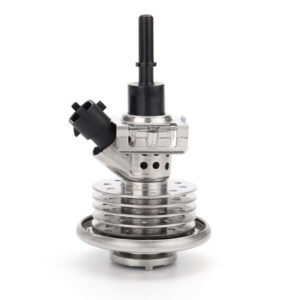
3. Inspect the DEF Dosing Module
Locate the dosing module (usually on the frame rail or near the exhaust) and visually inspect:
- White crystallization around the nozzle or on the exhaust pipe
- DEF stains or wetness on the module or frame rail
- Corroded electrical connectors
- Cracked or damaged DEF lines
Red flag: Heavy crystallization or fluid leaks indicate the injector is failing or has failed.
4. Verify DEF Quality with a Refractometer
A DEF refractometer costs $20-$40 and takes 30 seconds to use. Draw a sample from the tank and check the concentration. It should read 32.5% ± 0.5% at 68°F (20°C).
Red flag: Concentration below 30% or above 35% indicates contaminated, diluted, or aged DEF. This fluid has likely damaged the injector and catalyst.
5. Monitor Live Data During a Test Drive
During the test drive, monitor these parameters with a scan tool:
- NOx sensor readings: Upstream should be 300-800 ppm. Downstream should be under 50 ppm. A large gap between upstream and downstream indicates good catalyst efficiency.
- DEF dosing rate: Should increase with engine load. No dosing or erratic dosing indicates injector problems.
- DPF differential pressure: Should be under 20 kPa at idle. High pressure indicates a clogged DPF.
- DEF pump pressure: Should reach and maintain 5-12 bar depending on the platform.
6. Check DPF Soot Load
Using the scan tool, read the DPF soot load percentage:
- 0-40%: Normal. The DPF is healthy.
- 40-70%: Moderate. The truck needs a highway drive or forced regeneration.
- 70-100%: High. The DPF is heavily loaded and may require professional cleaning.
- Over 100%: Critical. The DPF may be damaged and require replacement.
7. Verify the Number of Regenerations
Most ECUs log the total number of DPF regenerations. A truck with 200,000 miles should have roughly 300-500 regenerations. Significantly more indicates chronic aftertreatment problems.
8. Check for Recent Code Clearing
Sellers sometimes clear codes just before showing the truck. Look for:
- Pending codes that have not yet triggered the check engine light
- Recently reset trip counters or maintenance reminders
- Incomplete readiness monitors (indicating the battery was recently disconnected or codes were cleared)
9. Review Maintenance Records
Ask the seller for maintenance records and look for:
- DEF filter replacement history (should be every 30,000 miles)
- DEF injector or dosing module replacements
- DPF cleaning or replacement records
- SCR catalyst work (a major red flag)
- Consistent use of certified DEF (not just “we used whatever was cheapest”)
10. Perform a Forced Regeneration Test
If possible, have a technician perform a forced regeneration during the inspection. Monitor exhaust temperature and DPF pressure throughout the process. A healthy system should reach 600-650°C and reduce soot load from 80%+ to under 20%.
Red flag: If the forced regeneration cannot complete or temperatures do not reach target, the DPF or fuel doser has problems.
Red Flags That Should Kill the Deal
Walk away from any used diesel truck that shows these warning signs:
- Active P20EE or P20EF codes: Indicates SCR catalyst or DEF injector failure. Repair cost: $1,500-$8,000.
- Contaminated DEF in the tank: Suggests years of neglect and potential catalyst poisoning. Repair cost: $2,000-$10,000+.
- Heavy DPF soot load with incomplete regens: Indicates chronic problems. Repair cost: $1,000-$4,500.
- Evidence of DEF system tampering: Removed sensors, bypassed heaters, or aftermarket tuning that disables emissions systems. These trucks cannot pass inspection in most states.
- No maintenance records: If the seller cannot prove the DEF system was maintained, assume it was not.
Negotiation Tips: Using DEF System Findings
If the inspection reveals DEF system issues but you still want the truck, use the findings to negotiate:
| Finding | Repair Estimate | Negotiation Approach |
|---|---|---|
| Clogged DEF injector | $200 – $600 | Request immediate repair or price reduction |
| Needs DPF cleaning | $300 – $800 | Request seller to clean before sale |
| NOx sensor drift | $300 – $1,200 | Request replacement or price reduction |
| Contaminated DEF tank | $500 – $2,000+ | Major red flag—walk away or demand substantial discount |
| Failed SCR catalyst | $2,000 – $8,000 | Walk away unless price is reduced by full repair cost |
Frequently Asked Questions
Should I avoid used diesel trucks with high mileage?
High mileage alone is not a problem if the truck was maintained properly. A 300,000-mile highway truck with complete service records is often a better buy than a 100,000-mile city truck with no records.
Can I delete the DEF system after buying?
Deleting emissions systems is illegal for on-highway vehicles in the United States under the Clean Air Act. It also voids warranty and makes the truck impossible to register in states with emissions testing.
How much should a DEF system inspection cost?
A professional pre-purchase inspection including aftertreatment diagnostics costs $150-$300. This is money well spent compared to discovering a $5,000+ repair after purchase.
Can I inspect the DEF system myself?
You can do a basic visual inspection, but a professional scan tool is required to check catalyst efficiency, NOx sensor accuracy, and DPF soot load. Hire a diesel technician for the inspection.
What year trucks have the most DEF problems?
2010-2014 heavy-duty trucks and 2015-2016 light-duty trucks had the most early DEF system failures as manufacturers refined the technology. 2017+ trucks are generally more reliable but still require proper maintenance.
Is an extended warranty worth it for the DEF system?
Yes, if the warranty covers the aftertreatment system. Many aftermarket warranties exclude emissions components. Read the fine print carefully.
Can I test drive without a scan tool?
You can, but you will miss critical data. At minimum, use a Bluetooth OBD-II adapter and a smartphone app to check for codes. Professional inspection is strongly recommended.
What questions should I ask the seller?
Ask: What DEF brand do you use? When was the DEF filter last changed? Has the injector or dosing module been replaced? Are there any check engine lights or warning messages? Can I have it inspected by my mechanic?
How long does a DEF system inspection take?
A thorough inspection takes 1-2 hours including visual checks, code scanning, live data monitoring, and a test drive.
Where can I find DEF system parts for my used truck?
Browse our DEF system catalog for replacement injectors, dosing modules, sensors, and catalysts for all diesel platforms.
Conclusion
The DEF system is the most expensive hidden liability when buying a used diesel truck. A visual walk-around and a short test drive will not reveal catalyst poisoning, injector crystallization, or DPF blockage. Only a professional inspection with live data monitoring can tell you the true condition of the aftertreatment system.
Spend $200 on an inspection before you spend $30,000 on a truck. The inspection will either give you confidence in your purchase or save you from a financial disaster. Use the findings to negotiate a fair price, and never buy a truck with active SCR catalyst codes unless you are prepared for a major repair bill.
For more DEF system maintenance and diagnostic guides, visit our complete diesel aftertreatment resource library.