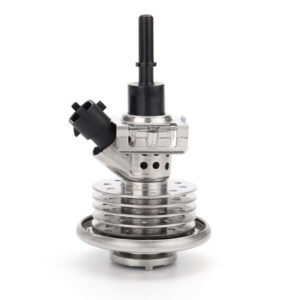
Why Is My DEF Injector Not Working in Cold Weather?
If your diesel truck’s DEF system quits working when temperatures drop below freezing, you are not alone. Cold weather is the single biggest enemy of DEF injectors, and winter accounts for more DEF-related service calls than any other season.
The short answer: DEF (Diesel Exhaust Fluid) freezes at 12°F (-11°C). When DEF freezes in the tank, lines, or dosing module, the injector cannot deliver fluid to the exhaust stream. Even if the tank heater works, DEF can still crystallize in the injector nozzle during short trips where the exhaust never reaches the 180°F minimum needed for proper decomposition. The result is blocked nozzles, fault codes, and eventual engine derate.
This guide explains why cold weather kills DEF injectors, what symptoms to watch for, and the exact steps to prevent winter DEF failure on Cummins, Ford, Duramax, and all other diesel platforms.
How Cold Weather Destroys DEF Injectors
Understanding the mechanism of winter DEF failure helps you prevent it. Here is what happens step by step when temperatures drop:
Step 1: DEF Freezes in the Tank
Diesel Exhaust Fluid is 32.5% urea and 67.5% demineralized water. At 12°F (-11°C), the water component crystallizes, turning the DEF into a solid slush. All modern diesel trucks have a DEF tank heater that uses engine coolant to thaw the fluid. However, the heater only works when the engine is running and warm. If the truck sits overnight at -10°F, the DEF is frozen solid at startup.
Step 2: The Dosing Module Heater Fights a Losing Battle
Inside the DEF dosing module, an electric heater element prevents the injector nozzle from freezing. This heater draws 250-500 watts depending on the platform. When ambient temperatures drop below 0°F (-18°C), the heater may not have enough capacity to keep up—especially on older Cummins ISX and Ford 6.7 units with lower-wattage heaters.
Step 3: Short Trips Prevent Exhaust From Reaching Operating Temperature
Even if the DEF injector delivers fluid, the exhaust pipe must be hot enough to decompose DEF into ammonia. This requires 180°C (356°F) minimum. On short trips—under 10 minutes—the exhaust never reaches this temperature. Unburned DEF sprays onto relatively cool exhaust surfaces, crystallizes instantly, and blocks the injector nozzle.
Step 4: Repeated Freeze-Thaw Cycles Degrade Seals
Each time DEF freezes and thaws, it expands and contracts inside the dosing module. This mechanical stress degrades the internal seals and O-rings. After hundreds of freeze-thaw cycles, the seals crack and allow DEF to leak internally. This is why DEF injectors fail more frequently in Minnesota and North Dakota than in Texas or Florida.
Winter DEF Failure Symptoms by Brand
Different diesel platforms show different cold-weather symptoms. Here is what to expect:
| Brand/Engine | Common Winter Codes | Typical Symptom |
|---|---|---|
| Cummins ISX15 | P20B9, P20BA, P20BE | Heater failure; hard starts below 0°F |
| Ford 6.7 Powerstroke | P20B9, P204F | Module heater cannot keep up; crystallization |
| Duramax LML | P20B9, P20EE | Short-trip crystallization; frequent regens |
| Duramax L5P | P20B9 (rare) | Better heater; occasional freeze warnings |
| Sprinter OM651 | P20B9, P13DF | Compact module freezes quickly |
How to Prevent DEF Injector Problems in Winter
Prevention is far easier—and cheaper—than replacement. Follow these practices to keep your DEF system functional through the coldest months:
1. Never Let DEF Run Low in Winter
A full DEF tank takes longer to freeze than a partially empty one. More fluid means more thermal mass. Keep the tank above 50% full at all times during winter. When the tank level drops below 25%, the remaining DEF freezes faster and the tank heater has less surface area to work with.
2. Use a Block Heater
An engine block heater does more than help the engine start. It also heats the engine coolant, which circulates through the DEF tank heater core. A truck plugged into a block heater for 2-3 hours before startup will have thawed DEF and a warm dosing module.
3. Complete Drive Cycles
Avoid short trips in winter. Drive at highway speed for at least 20 minutes to bring the exhaust system to full operating temperature. This burns off any accumulated DEF crystals in the nozzle and ensures the SCR catalyst is hot enough to process ammonia.
4. Park Indoors When Possible
Even an unheated garage provides significant protection. A garage at 25°F is 35 degrees warmer than ambient at -10°F. That difference can mean the difference between frozen and fluid DEF.
5. Use Engine Idle Strategically
If you must stop for an extended period in extreme cold, let the engine idle for 3-5 minutes before shutting off. This allows the dosing module heater to complete its cool-down cycle and clear residual DEF from the nozzle.
6. Inspect the DEF Tank Heater
Before winter arrives, verify that the DEF tank heater is working. Use a scan tool to command the heater on and check for temperature rise in the tank. A failed tank heater guarantees frozen DEF and injector problems.
7. Keep DEF Lines Insulated
On older trucks, the DEF lines between the tank and dosing module may pass through uninsulated areas. Add foam pipe insulation to DEF lines that run outside the frame rails or near cold air intakes.
8. Use Only Fresh, Certified DEF
Old or contaminated DEF has a higher freezing point and forms crystals more readily. Use ISO 22241-compliant DEF purchased from high-turnover sources. DEF has a shelf life of approximately 12 months at 75°F; shelf life shortens as temperature increases.
What to Do If Your DEF Injector Freezes
If your truck throws a DEF system fault on a cold morning, follow this recovery procedure:
- Do Not Clear Codes Immediately: The fault codes contain valuable diagnostic information. Record all active and pending codes before clearing.
- Check DEF Tank Level: If the tank is low, the remaining fluid may have frozen around the pickup tube. Add fresh DEF if needed.
- Allow Thaw Time: Start the engine and let it idle for 15-20 minutes. The tank heater will gradually thaw the DEF. Do not race the engine—high RPM with frozen DEF can damage the pump.
- Drive at Highway Speed: Once thawed, drive at 55+ mph for at least 15 minutes to heat the exhaust and clear any nozzle crystallization.
- Clear Codes and Test: Use a scan tool to clear codes. Run the reductant system test if available on your diagnostic tool.
- Inspect for Leaks: After thawing, inspect the dosing module and DEF lines for leaks. Freeze damage can crack nylon lines and split O-rings.
If the injector still does not work after thawing: The internal seals may have been damaged by ice expansion. Replacement is the only option. See our DEF injector replacement guides for platform-specific procedures.
Winter DEF Maintenance Checklist
Print this checklist and run through it every November before winter hits:
- ☐ Verify DEF tank heater operation with scan tool
- ☐ Check dosing module heater resistance (spec varies by platform)
- ☐ Drain and refill DEF tank with fresh, certified fluid
- ☐ Inspect DEF lines for cracks, leaks, or damaged insulation
- ☐ Test block heater operation
- ☐ Verify all DEF system fault codes are cleared
- ☐ Stock spare DEF in a warm location (not in the truck overnight)
- ☐ Inspect dosing module mounting bolts and gasket condition
Frequently Asked Questions
At what temperature does DEF freeze?
DEF freezes at 12°F (-11°C). The urea component does not freeze; the water crystallizes, creating a slush that solidifies completely at lower temperatures.
Will frozen DEF damage my injector?
Frozen DEF itself does not damage the injector, but the expansion of ice inside the dosing module can crack seals and O-rings. Repeated freeze-thaw cycles are the primary cause of winter injector failure.
Can I add antifreeze to my DEF tank?
Absolutely not. Adding any fluid other than certified DEF will contaminate the entire system, destroy the injector, void your warranty, and potentially damage the SCR catalyst. Use only ISO 22241-compliant DEF.
Why does my DEF light come on every morning in winter?
The DEF quality sensor may be reading incorrectly when the fluid is partially frozen. The sensor cannot accurately measure urea concentration in slush. The warning typically clears after 10-15 minutes of driving once the DEF thaws completely.
How long does it take for DEF to thaw?
With the tank heater active, DEF thaws at approximately 1-2°F per minute. A tank frozen solid at -10°F may take 15-25 minutes of engine operation to fully thaw.
Should I drain my DEF tank before winter?
No. Modern DEF tank heaters are designed to handle winter conditions. Draining the tank is unnecessary and introduces air into the system, which causes pump cavitation and dosing errors.
Can I store DEF outside in winter?
DEF can be stored outside, but it will freeze. The container will not rupture—DEF expands only 7% when freezing, similar to water. Thaw it completely before use. Do not add hot water to speed thawing.
Why does my truck regenerate more often in winter?
Cold engines run richer, producing more soot. The DPF fills faster, triggering more frequent regenerations. Additionally, if the DEF injector is partially clogged, the ECU compensates by modifying engine timing, which increases soot production.
Do I need a different DEF for winter?
No. All certified DEF has the same 32.5% urea concentration and the same 12°F freezing point. There is no “winter blend” of DEF.
Where can I buy a winter-ready DEF injector?
Browse our DEF injector catalog for units with upgraded heater elements and cold-climate seals designed for extreme winter operation.
Conclusion
Cold weather is the harshest test of any DEF injection system. Frozen DEF, failed heaters, and short-trip crystallization combine to create the perfect storm of winter injector failures. The good news is that most of these problems are preventable with simple maintenance habits: keep the tank full, use a block heater, complete drive cycles, and inspect the system before winter arrives.
If your DEF injector does fail in cold weather, do not panic. Thaw the system properly, inspect for damage, and replace the injector if internal seals have cracked. The cost of a replacement dosing module is far less than the cost of a destroyed SCR catalyst or a week of downtime during peak shipping season.
For more seasonal DEF maintenance tips and platform-specific winter procedures, visit our complete DEF system resource library.