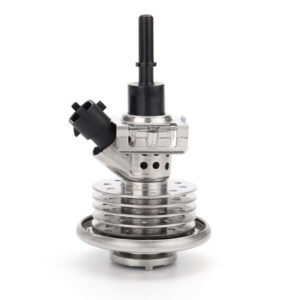
Dodge Ram Cummins 2500/3500 DEF System: Preventing 5 MPH Derate
The Dodge Ram 2500 and 3500 equipped with the 6.7L Cummins Turbo Diesel engine are renowned for their towing capacity and longevity. However, for many owners and fleet managers, the most significant threat to uptime isn’t the engine block itself, but the complex emissions control system. Specifically, the Diesel Exhaust Fluid (DEF) system can trigger a “limp mode” or the dreaded “5 MPH Derate” if it detects a malfunction. Understanding the mechanics of the Cummins DEF system and knowing how to maintain the Ram 2500 DEF injector is critical to keeping these trucks on the road and out of the service bay.
When the Engine Control Unit (ECU) detects that the Selective Catalytic Reduction (SCR) system is not operating within specified parameters, it initiates a countdown. If the fault is not corrected, the vehicle’s speed is restricted to 5 MPH. This fail-safe is designed to ensure environmental compliance, but for a driver in the middle of a haul, it is a costly disruption. In this guide, we will explore why these failures occur and how to proactively manage your Cummins emissions components.
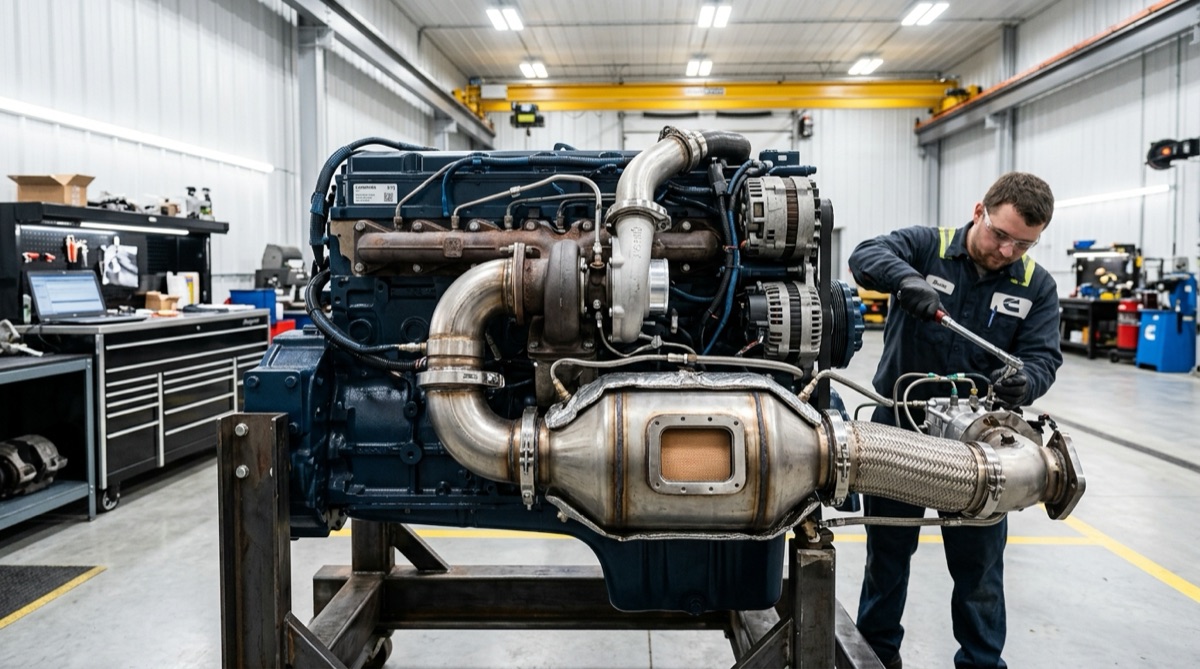
The Importance of the Cummins SCR System
The Selective Catalytic Reduction (SCR) system is the primary technology used in Dodge Ram trucks to meet stringent EPA nitrogen oxide (NOx) emission standards. Unlike the Exhaust Gas Recirculation (EGR) system, which works inside the engine to prevent NOx formation, the SCR system treats the exhaust gases after they leave the engine. This allows the Cummins engine to be tuned for better fuel economy and power, as the “cleanup” happens in the tailpipe.
The process relies on a precise injection of Diesel Exhaust Fluid—a mixture of 32.5% high-purity urea and 67.5% deionized water—into the exhaust stream. When the DEF hits the hot exhaust, it decomposes into ammonia (NH3). This ammonia then reacts with NOx over a ceramic catalyst, converting the harmful pollutants into harmless nitrogen gas and water vapor. Without a functional Cummins DEF system, the SCR catalyst cannot perform this conversion, leading to a Dodge Cummins SCR failure warning on the dashboard.
The complexity of this system lies in its precision. The dosing valve (injector) must deliver a specific amount of fluid based on engine load, temperature, and NOx sensor readings. Even a slight deviation in the spray pattern or volume can lead to incomplete reactions, crystallization, or sensor errors that trigger the derate sequence.
Identifying DEF Injector Blockage in Ram Trucks
The most common failure point in the Dodge Ram emissions system is the DEF dosing valve, often referred to as the DEF injector. Because DEF is essentially a salt solution (urea), it is prone to crystallization when exposed to air or when the system is not purged correctly after shutdown. Over time, these crystals can build up on the nozzle of the Ram 2500 DEF injector, obstructing the flow of fluid.
One of the most specific indicators of this issue is the Diagnostic Trouble Code (DTC) P208E Cummins, which translates to “Reductant Injection Valve Stuck Closed.” When this code appears, the ECU has detected that the injector is not flowing fluid despite being commanded to do so. Other symptoms include:
1. “Exhaust System Service Required – See Dealer” Message
This is often the first warning light. It indicates that the NOx sensors are detecting higher-than-expected emissions levels, likely because the SCR catalyst isn’t receiving enough DEF to neutralize the NOx.
2. Frequent DPF Regeneration
While the Diesel Particulate Filter (DPF) and SCR are different components, a failure in the SCR system can sometimes cause the engine to run in a less efficient state, leading to increased soot production and more frequent “regens.”
3. Visible White Deposits
If you inspect the area where the injector meets the exhaust pipe, you may see white, chalky deposits. This is crystallized urea. Significant buildup here suggests a leak or a severely clogged nozzle that is “dripping” rather than “spraying.”
Ignoring a P208E Cummins code is a mistake. Once the system enters the “Service DEF System” countdown, you have a limited number of miles before the truck restricts your speed to 5 MPH. Identifying the blockage early can save you thousands in towing and dealership diagnostic fees.
How to Clean or Replace the Cummins Dosing Valve
If you have identified a blockage in your Cummins DEF system, you generally have two options: cleaning the existing dosing valve or replacing it with a new unit from a reputable supplier like definjector.com.
Cleaning the Injector
In cases of mild crystallization, cleaning the injector may restore functionality. Follow these steps:
- Safety First: Ensure the exhaust system is completely cool. DEF is non-toxic but can be corrosive to some metals and irritating to the skin.
- Removal: Disconnect the electrical connector and the DEF line. The line is pressurized, so use a rag to catch any spray. Remove the mounting bolts or V-band clamp holding the injector to the exhaust.
- The Distilled Water Bath: Do not use brake cleaner or harsh chemicals. Submerge only the nozzle tip in warm distilled water. Let it soak for 30 minutes to dissolve the urea crystals.
- Inspection: Use a soft brush to remove remaining deposits. Do not poke needles into the tiny nozzle holes, as this can ruin the spray pattern.
Replacing the Injector
Cleaning is often a temporary fix. If the internal solenoid of the Ram 2500 DEF injector has failed or if the blockage is internal, replacement is necessary. Installing a high-quality replacement part is the most reliable way to clear the P208E Cummins code and reset the derate timer. When installing a new valve, ensure the mounting surface on the exhaust pipe is clean to prevent exhaust leaks, which can also trigger sensor errors.
Fleet Maintenance Strategies for Cummins Engines
For fleet operators, a single Dodge Cummins SCR failure can mean a lost contract or a stranded driver. Proactive maintenance is significantly cheaper than reactive repairs. Here are strategies to prevent DEF-related downtime:
1. Standardize DEF Quality
Not all DEF is created equal. Contaminated fluid is a leading cause of injector failure. Ensure your fleet uses only API-certified DEF and keep storage containers sealed and out of direct sunlight to prevent degradation.
2. Scheduled Visual Inspections
Incorporate a “DEF check” into your 10,000-mile service intervals. Inspect the injector for white “stalactites” of urea. Catching a small leak early prevents the crystallization that eventually leads to a total blockage.
3. Monitor Telematics
Use telematics to monitor for “pending” codes. Often, the P208E Cummins code will appear as a pending fault before it triggers a dash light. If you see this, schedule the truck for an injector inspection immediately.
4. Inventory Management
Keep spare dosing valves in stock. Because the 5 MPH derate is so restrictive, having a replacement injector on the shelf can turn a multi-day dealership visit into a 30-minute roadside repair.
FAQ
What is the P208E code on a Cummins?
The P208E code indicates that the Reductant Injection Valve (DEF Injector) is stuck closed. This prevents DEF from entering the SCR system, causing high NOx emissions and eventually triggering a 5 MPH derate.
Can I drive with a DEF system error?
Only for a short distance. Dodge Ram trucks will eventually enter a speed-restricted mode (Derate) if the error is not cleared. This is a safety and compliance feature that cannot be bypassed without repair.
Why does DEF crystallize in my Ram 2500?
Urea crystals form when the water in the DEF evaporates. This happens if the system has a small leak, if the engine is frequently shut down before the “purge” cycle completes, or if the injector nozzle is partially blocked.
How much does it cost to fix a Cummins SCR failure?
At a dealership, repairs can range from $1,000 to $3,000 depending on whether the injector, NOx sensors, or the entire SCR catalyst needs replacement. Doing the work yourself with parts from definjector.com can save 60-70% of that cost.
Maintaining the Cummins DEF system is an essential part of modern diesel ownership. By understanding the symptoms of a failing Ram 2500 DEF injector and acting quickly on codes like P208E Cummins, you can ensure your Dodge Ram remains the reliable workhorse it was built to be. For high-quality replacement dosing valves and technical support, trust the experts at definjector.com.
Recommended Resources and Products:
- Internal Blog: Fleet Manager’s Maintenance Guide
- Related Product: DEF Injector Product Catalog
- External Authority: Cummins SCR Technology
- Technical Reference: Selective Catalytic Reduction Overview