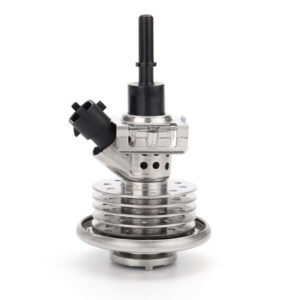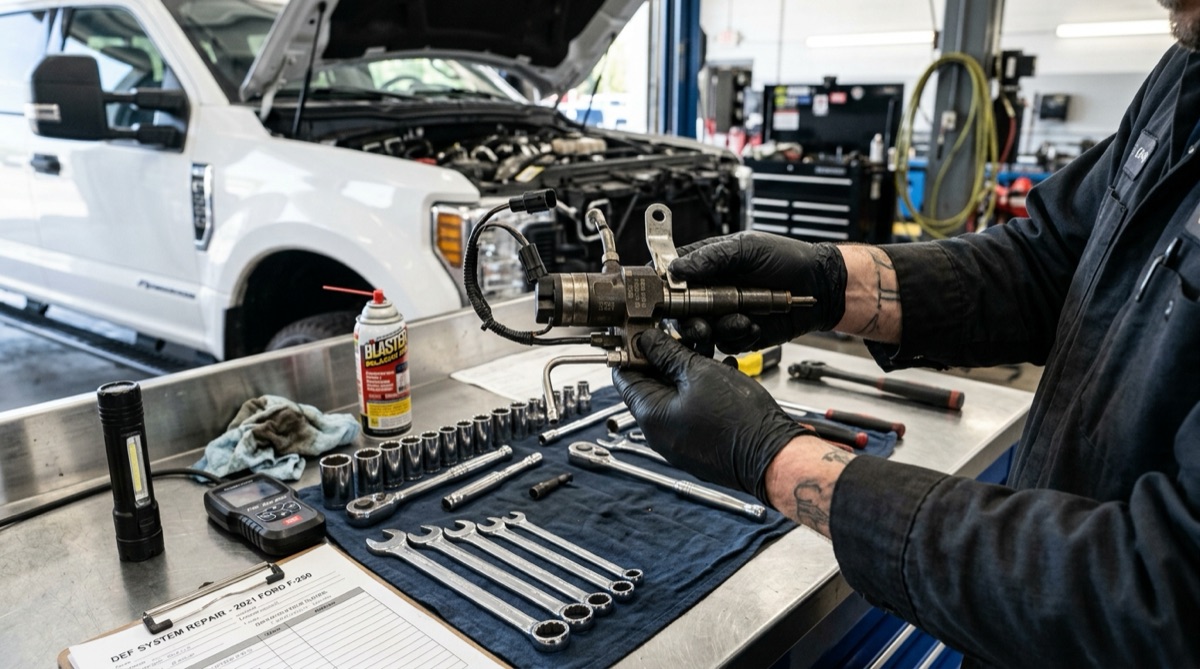
When Does Your DEF Injector Need Replacement?
A failing DEF injector is not a problem you can ignore. When the injector stops delivering the precise amount of Diesel Exhaust Fluid into the exhaust stream, your entire SCR system loses its ability to neutralize harmful NOx emissions. The result? Check engine lights, engine derate, failed inspections, and expensive downtime.
Knowing when to replace your DEF injector—and understanding the replacement process—can save your fleet thousands in repair costs and regulatory penalties. This guide covers the warning signs, step-by-step replacement procedures, and a realistic cost breakdown for fleet managers and maintenance teams.
5 Warning Signs Your DEF Injector Needs Replacement
Before you commit to a full replacement, confirm the injector is actually the root cause. Here are the five most reliable indicators:
1. Persistent P20EE or P20EF Fault Codes
These codes indicate catalyst efficiency below threshold, often caused by insufficient DEF dosing. If the injector is blocked or leaking internally, the SCR catalyst cannot reach the temperature or ammonia concentration needed for proper NOx reduction. For a complete breakdown of this code and related diagnostics, see our SCR diagnostic guide collection.
2. Visible DEF Crystallization Around the Nozzle
White, crusty deposits on or near the injector nozzle are a clear sign of leakage or incomplete atomization. Once crystallization forms, the spray pattern is permanently compromised. Cleaning may offer temporary relief, but replacement is the only reliable long-term solution. Using ISO 22241-compliant DEF significantly reduces crystallization risk.
3. Unusual DEF Consumption Patterns
A sudden spike in DEF usage without a corresponding increase in mileage suggests internal leakage. Conversely, unusually low consumption indicates the injector is not spraying at the required rate. Either scenario damages the SCR catalyst over time.
4. Engine Derate or Limp Mode Activation
Modern diesel engines are programmed to reduce power when emissions systems malfunction. If your truck enters derate mode repeatedly and diagnostics point to the DEF delivery circuit, the injector is the most likely culprit.
5. Physical Damage or Corrosion
Inspect the injector body, electrical connector, and mounting threads. Corroded terminals, cracked housings, or stripped threads all warrant immediate replacement. These issues cannot be repaired in the field.
DEF Injector Replacement: Step-by-Step Overview
While specific procedures vary by vehicle make and model, the general replacement process follows these steps:
- Safety First: Allow the exhaust system to cool completely. DEF fluid is non-toxic but can irritate skin and eyes. Wear gloves and eye protection.
- Depressurize the DEF Line: Use the service tool or scan device to release pressure from the DEF delivery system.
- Disconnect Electrical Connector: Inspect for corrosion. Clean or replace the connector if necessary.
- Remove the Old Injector: Unthread the injector from the DEF dosing module or exhaust flange. Avoid forcing seized threads.
- Clean the Mounting Surface: Remove all crystallized DEF residue. Use a non-abrasive cleaner.
- Install the New Injector: Apply the specified torque. Over-tightening damages threads; under-tightening causes leaks.
- Reconnect and Prime: Reconnect the electrical harness and DEF line. Prime the system according to manufacturer instructions.
- Run Diagnostics: Clear fault codes and perform a forced regeneration or DEF system test to verify proper operation.
Important: After replacement, most systems require injector calibration or adaptation reset. Skipping this step can trigger false fault codes within the first few drive cycles. Consult your vehicle’s service manual for calibration procedures.
Cost Analysis: OEM vs Aftermarket DEF Injectors
Cost is a major factor in replacement decisions. Here is a realistic comparison:
| Cost Factor | OEM Injector | Aftermarket Injector |
|---|---|---|
| Unit Price | $180 – $450 | $60 – $150 |
| Labor (Shop Rate) | $120 – $200 | $120 – $200 |
| Total Replacement Cost | $300 – $650 | $180 – $350 |
| Expected Lifespan | 2 – 5 years | 6 – 18 months |
| Warranty | 12 – 24 months | 30 – 90 days |
The Hidden Cost of Cheap Injectors: A budget aftermarket injector that fails in 8 months creates a second round of labor, downtime, and potential catalyst damage. For fleet operators, the total cost of ownership strongly favors OEM-grade components. Browse our OEM-grade DEF injector catalog for components that match or exceed original specifications.
How to Choose the Right Replacement Injector
Not every injector fits every application. Before ordering, confirm these specifications:
- Flow Rate: Must match the engine’s DEF dosing map. Mismatched flow rates cause over- or under-dosing.
- Voltage: Verify 12V or 24V compatibility.
- Thread Specification: Male vs female, thread pitch, and sealing surface geometry must match.
- Spray Pattern: The cone angle and droplet size distribution affect mixing efficiency and catalyst lifespan.
- Material Compatibility: Seals and nozzle materials must resist DEF corrosion and thermal cycling.
For detailed guidance on matching injectors to specific engine families, refer to EPA emission standards documentation and your vehicle manufacturer’s service bulletins.
Maintenance Tips to Extend Injector Life
Preventive maintenance reduces replacement frequency and protects your SCR investment:
- Use Certified DEF Only: Off-spec DEF causes crystallization and premature seal failure. Verify ISO 22241 compliance with every refill.
- Replace DEF Filters on Schedule: Contaminated DEF damages the injector’s internal valve and nozzle.
- Keep the DEF Tank Clean: Algae, dirt, and debris in the tank eventually reach the injector.
- Address Fault Codes Immediately: Running with a partially clogged injector accelerates catalyst degradation.
- Store Spare Injectors Properly: Keep replacements in sealed packaging at room temperature, away from direct sunlight and moisture.
Conclusion
DEF injector replacement is an inevitable part of diesel fleet maintenance, but it does not have to be a surprise expense. By recognizing early warning signs, choosing the right replacement part, and following proper installation procedures, you minimize downtime and protect the entire SCR system.
For fleet managers, the math is simple: one quality OEM-grade injector lasts longer and performs more reliably than two or three budget alternatives. The upfront cost difference pays for itself in reduced labor, fewer emergency repairs, and consistent emissions compliance.
Need help selecting the right DEF injector for your application? Contact our technical team or browse our complete DEF injector catalog with OEM-grade specifications and competitive fleet pricing.