Troubleshooting DEF System Problems: Sensor, Pump & Injector Failures
Understanding DEF System Components
The Diesel Exhaust Fluid (DEF) system is vital for modern diesel engines, aimed at minimizing harmful nitrogen oxides (NOx) emissions. DEF is a non-toxic mixture of 67.5% deionized water and 32.5% urea, which reacts with exhaust gases to ensure cleaner emissions. Understanding the various components of the DEF system—specifically the injectors, pumps, and sensors—is crucial for effective troubleshooting and maintenance.
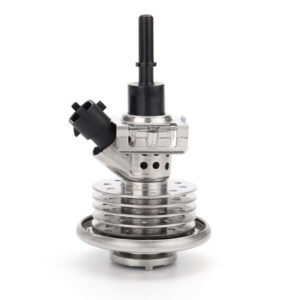
- DEF Injectors: These components deliver precise amounts of DEF into the exhaust stream. Proper atomization of the fluid enables its chemical reaction with NOx, markedly reducing emissions at high exhaust temperatures. Injector failures can result in improper dosing, leading to increased emissions and potential emissions test failures.
- DEF Pumps: The pump transfers DEF from the tank to the injectors, maintaining consistent pressure and flow rate. Malfunctions may result in inadequate DEF delivery, triggering dashboard warnings and affecting emissions performance.
- DEF Sensors: Sensors within the system monitor DEF levels, fluid quality, and the performance of injectors and pumps. Their proper functionality is essential for optimal performance and compliance with emissions standards. Faulty sensors may yield inaccurate data, causing inefficiencies or engine performance issues.
Overall, the DEF system is crucial for meeting environmental regulations and enhancing engine efficiency. Understanding each component supports effective troubleshooting and maintenance.
Common DEF System Failures
The Diesel Exhaust Fluid (DEF) system significantly reduces emissions in modern diesel engines. However, its complexity can lead to failures, particularly in sensors, pumps, and injectors. Being aware of common signs and symptoms can facilitate effective troubleshooting and maintenance.
Here are the most frequently observed issues in the DEF system:
- DEF Sensor Failures: Signs may include erratic DEF level readings, dashboard warning lights, or frequent fluid level alerts, often due to contamination or corrosion.
- DEF Pump Failures: Indicators include reduced DEF flow, unusual pump noises, or failure to deliver fluid when required. Common causes include wear and tear, often worsened by low fluid levels or dirty DEF.
- DEF Injector Failures: Symptoms may involve uneven engine performance, increased emissions, and related warning codes. Clogging from crystallized DEF or mechanical failures of the injector nozzle are typical causes.
Technicians should remain alert to specific error codes accompanying these failures. Common codes include:
- P20E8: Indicates a DEF quality issue.
- P203D: Signifies injector circuit problems.
- P205B: Points to pump performance issues.
Understanding the potential causes behind these failures is essential for effective maintenance. Contamination from foreign substances, physical wear, and improper fluid management are key factors that greatly impact the DEF system’s reliability.
To maintain optimal performance, watch for these symptoms:
- Dashboard warnings related to DEF.
- Unexpected DEF level fluctuations.
- Discrepancies in engine performance.
By remaining vigilant about these common DEF system failures, operators can ensure compliance with emissions regulations and extend the life of their diesel equipment.
Troubleshooting DEF System Failures
Effective troubleshooting of issues within the Diesel Exhaust Fluid (DEF) system is essential for maintaining vehicle performance and reducing harmful emissions. Here’s a step-by-step guide for identifying problems with DEF sensors, pumps, and injectors.
Step-by-Step Procedures:
- 1. Check the Error Codes: Start by using a diagnostic tool to access the vehicle’s onboard computer for any trouble codes related to the DEF system. Common codes include P20EF (NOx sensor) or P20E8 (DEF pump).
- 2. Inspect the DEF Fluid Quality: Confirm that the DEF is not contaminated or outdated. A refractometer can be used to check its concentration (32.5% urea and 67.5% deionized water).
- 3. Examine the DEF Sensors: Visually inspect all sensor connections for signs of corrosion or damage. A multimeter can be used to measure the sensor’s resistance against the manufacturer’s specifications.
- 4. Test the DEF Pump: Activate the pump per the vehicle’s service procedure, listening for unusual noises and ensuring it’s delivering fluid accurately.
- 5. Inspect the DEF Injectors: Remove the injector for inspection, checking for clogs or physical damage. Clean if necessary, ensuring proper seating upon reinstallation.
Recommended Tools:
- Diagnostic scanner
- Multimeter
- Refractometer
- Screwdrivers and wrenches for mechanical inspections
- Cleaning agents and tools for injectors
Interpreting Error Codes: Error codes often provide specific insights into what part of the DEF system is malfunctioning. Utilize online databases or manufacturer manuals to decode these messages, allowing for targeted repairs.
Through diligent troubleshooting and a structured approach, technicians can effectively address DEF system failures, ensuring compliance with emission standards and optimal engine performance.
Comparative Analysis of DEF Components
When addressing issues within the Diesel Exhaust Fluid (DEF) system, evaluating the various components—sensors, pumps, and injectors—available in the market is critical. Understanding these components’ specifications and features aids in selecting the right one for specific applications.
| Component Type | Features | Pros | Cons |
|---|---|---|---|
| DEF Sensors | Capacitive and resistive types; varying sensitivity levels | High accuracy; real-time monitoring | Potential for calibration issues |
| DEF Pumps | Positive displacement and diaphragm pumps; flow rate specifications | Reliable fluid transfer; low maintenance | Can be prone to clogging if not maintained |
| DEF Injectors | Electrically controlled and mechanically actuated; varying spray patterns | Efficient atomization; improved combustion | Injection timing can affect performance |
Selecting the appropriate DEF components requires careful consideration of their characteristics and operational requirements. For example, capacitive sensors offer high accuracy but can have calibration challenges; positive displacement pumps ensure reliable fluid transfer but may need regular maintenance to prevent clogging. Additionally, picking the right injector enhances optimal combustion efficiency but may require precise timing for maximum effectiveness.
Ultimately, understanding the trade-offs associated with each component type allows operators to make informed decisions, improving the performance and longevity of their DEF systems.
Buying Guide for DEF System Components
When purchasing components for your Diesel Exhaust Fluid (DEF) system, making informed decisions is vital for the equipment’s longevity and efficiency. Below are essential features to consider, recommended brands, and cost considerations.
- Key Features:
- DEF Injectors: Aim for injectors that are highly compatible with OEM specifications, constructed from durable materials resistant to corrosion, and designed for efficient atomization for optimal performance.
- DEF Pumps: Select pumps with dependable flow rates, robust construction to withstand harsh conditions, and built-in safeguards like overcurrent protection.
- DEF Sensors: Look for sensors that offer precise measurement, rapid response times, and advanced diagnostic capabilities for effective system performance monitoring.
- Recommended Brands:
- Brand 1 – Renowned for high-quality injectors and competitive pricing.
- Brand 2 – Provides an array of durable pumps with excellent warranties.
- Brand 3 – Acclaimed for precision sensors that meet or exceed OEM standards.
- Cost Considerations:The prices of DEF components can vary significantly based on brand and specifications. Always balance cost with quality to avoid premature failures, and check for warranty options that protect against manufacturing defects, potentially saving you money in the long run.
Checklist for Evaluating DEF Components:
- Compatibility with existing equipment
- Material quality and durability
- Warranty terms and conditions
- Reviews and recommendations from industry professionals
Armed with this information, you can make sound purchasing decisions for your DEF system components, ensuring optimal performance and reliability.
Frequently Asked Questions (People Also Ask)
Understanding the nuances of the Diesel Exhaust Fluid (DEF) system is crucial for optimal performance and emissions compliance. Here are some of the most common inquiries related to DEF system issues:
- What are the signs of a failing DEF system?
Symptoms may include dashboard warning lights, reduced engine power, or unusual engine behavior such as stalling or hard starts. You may also observe fluid leaks or strange odors near the DEF tank. - How can I maintain my DEF system effectively?
Regular inspections of the DEF tank and related components are essential. Ensure adequate fluid levels, check for leaks, and replace filters as needed. Avoid contamination by only using high-quality, approved DEF. - Can I drive with a faulty DEF injector?
Driving with a malfunctioning DEF injector is not advisable, as it can lead to serious engine performance issues and increased emissions. Prompt troubleshooting is recommended to prevent costly repairs. - How do I troubleshoot DEF system error codes?
Utilize an OBD-II scanner to identify specific error codes and refer to your vehicle’s service manual for fixing guidance. Common repairs may involve checking electrical connections, replacing faulty sensors, or clearing blockages. - What should I do if the DEF light is on?
When the DEF light illuminates, first check your DEF fluid level. If the fluid is sufficient, investigate potential leaks, pump issues, or sensor malfunctions. Ignoring this alert could ultimately lead to engine derating. - What impacts does DEF system failure have on vehicle performance?
A failing DEF system can cause reduced power, increased emissions, and potential legal issues due to non-compliance with environmental regulations. It may also result in more significant system damage if not addressed swiftly.