Comprehensive Guide to Complete SCR Systems
Understanding Complete SCR Systems
Selective Catalytic Reduction (SCR) technology is a crucial element in emissions control, specifically targeting the reduction of nitrogen oxides (NOx) in exhaust gases. Through a chemical reaction facilitated by a catalyst, SCR systems effectively transform harmful NOx emissions into harmless nitrogen and water vapor, thereby diminishing the environmental impact of diesel engines and various industrial processes.
The operation of SCR systems relies on the injection of Diesel Exhaust Fluid (DEF), a blend of urea and deionized water. As exhaust gases pass through the SCR catalyst, DEF is injected and vaporized, reacting with the NOx in the presence of the catalyst to convert it into nitrogen (N2) and water (H2O). This process not only reduces emissions but also significantly bolsters compliance with stringent environmental regulations.
A complete SCR system consists of several key components, each playing an integral role in its functionality:
- SCR Catalyst: This essential component facilitates the chemical reaction necessary for converting NOx into less harmful substances.
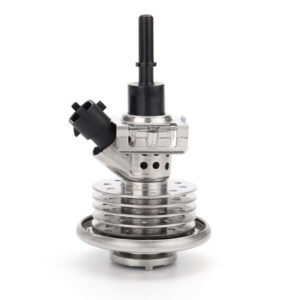
- DEF Injector: A nozzle that precisely introduces DEF into the exhaust stream, optimizing reaction rates.
- Ammonia Sensor: Monitors ammonia concentration in the exhaust, allowing real-time adjustments to the DEF injection rate for maintaining efficiency.
- Control Module: This electronic part manages the overall operation of the SCR system, including DEF supply and catalyst temperature, thus optimizing performance.
Comprehending these components and their interactions is vital for diagnosing issues and ensuring the longevity of SCR systems. As the global push for stricter emission standards intensifies, SCR technology’s role in curtailing NOx emissions will continue to expand, making it an indispensable resource for industries striving for sustainability.
Factors to Consider When Choosing an SCR System
Choosing the right Selective Catalytic Reduction (SCR) system for your application involves evaluating several critical factors to ensure optimal performance and compliance with regulatory standards. Below are key elements to assess during your selection process, guiding your decision-making:
- Application Type: The choice of an SCR system is heavily influenced by the type of equipment it will serve. Applications such as trucks, generators, or industrial machinery have distinct requirements related to size, power output, and operating conditions. Assess compatibility between the SCR system and the specific emission profiles and operational demands of your equipment.
- Efficiency and Performance Metrics: An SCR system’s efficiency directly affects its ability to reduce nitrogen oxides (NOx) emissions. Seek systems that deliver high conversion rates, minimal ammonia slip, and optimal urea consumption. Performance metrics are typically found in vendor documentation and should be compared against the manufacturer’s claims for reliability.
- Maintenance Requirements and Costs: Regular maintenance is crucial for the reliability and lifespan of an SCR system. Look for systems that feature user-friendly maintenance processes and lower lifetime service costs. Evaluate the availability of parts and the expertise of local service providers to minimize downtime.
- Regulatory Compliance Considerations: Confirm that the selected SCR system meets current local, regional, and national emission standards. This may include emissions testing reports and certifications from environmental agencies. Maintaining compliance not only avoids penalties but also enhances your operation’s reputation and sustainability credentials.
Thoroughly evaluating these elements will help you make a well-informed decision that aligns with your operational goals and regulatory requirements, ultimately enhancing the efficiency and effectiveness of your SCR system.
Comparison of Leading SCR Systems
To assist in selecting the ideal Selective Catalytic Reduction (SCR) system for various applications, we present a comparison of several leading SCR systems. Each option differs significantly in features, performance characteristics, and cost-effectiveness, providing users with diverse choices tailored to their specific needs.
| System Name | Efficiency | Cost | Maintenance Requirements | Emission Reduction Capability |
|---|---|---|---|---|
| SCR System A | 90% | $150,000 | Low | Up to 95% |
| SCR System B | 85% | $100,000 | Medium | Up to 90% |
| SCR System C | 92% | $200,000 | High | Up to 98% |
Here are the key features, along with the pros and cons of each system, to help you make an informed choice:
- SCR System A:
- Pros: High emission reduction capability, low maintenance costs.
- Cons: Higher initial investment.
- SCR System B:
- Pros: Moderate pricing, balanced efficiency and maintenance requirements.
- Cons: Slightly lower emission reduction compared to others.
- SCR System C:
- Pros: Best efficiency and emission reduction performance.
- Cons: High maintenance demands and initial cost.
Understanding these features equips organizations to make informed decisions based on their operational requirements and budget considerations, leading to improved outcomes.
Buying Guide / Selection Framework
Investing in a complete SCR (Selective Catalytic Reduction) system necessitates making informed decisions that cater to both immediate needs and long-term objectives. This structured framework will navigate you through the key aspects of the buying process, ensuring a comprehensive assessment.
1. Budget Considerations and Financial Implications:
The initial purchase price of an SCR system can vary widely based on its capacity and features. Beyond upfront costs, factor in operating expenses, maintenance, and potential return on investment through enhanced efficiency and reduced emissions. Analyze your total cost of ownership (TCO) throughout the system’s expected lifespan, including fuel savings and regulatory compliance expenses.
2. Supplier Reliability and Warranty Options:
Selecting a reputable supplier is essential. Investigate the supplier’s history regarding reliability, customer service, and support. Favor those with established reputations in the SCR market alongside positive customer reviews. Furthermore, assess warranty options; consider the duration and coverage, as a robust warranty often reflects the manufacturer’s confidence in their product.
3. Installation Requirements and Support Services:
Installation can be complex based on your facility’s specifics. Evaluate the installation demands and associated costs. Confirm whether the supplier offers professional installation services or if you’ll need a third-party contractor. Post-installation support services are just as crucial; inquire about maintenance services and their responsiveness during technical difficulties.
Checklist for Buyers:
- Have you set a clear budget and projected TCO?
- What is the supplier’s reputation in the industry?
- Are the warranty terms comprehensive and favorable?
- What installation services does the supplier provide?
- Is ongoing support available, and what does it encompass?
By thoroughly considering these factors, you can make a strategic decision that protects your investment in a complete SCR system and ensures compliance with environmental standards.
Frequently Asked Questions (People Also Ask)
For those contemplating or currently utilizing Selective Catalytic Reduction (SCR) systems, common questions frequently emerge. Below, we address these inquiries to enhance comprehension and ensure optimal functionality of SCR technology.
- What are the main components of an SCR system? The primary components of an SCR system include the reactor, catalyst, urea injection system, and ammonia storage tank. These elements collaborate to convert nitrogen oxides (NOx) into harmless nitrogen and water vapor.
- How do I maintain an SCR system? Regular maintenance involves monitoring urea quality, checking catalyst condition, and inspecting the entire system for leaks or malfunctions. Establish routine service intervals based on the manufacturer’s guidelines.
- What are the environmental benefits of using SCR technology? SCR systems significantly decrease NOx emissions, contributing to air pollution and respiratory problems. Utilizing SCR technology allows users to comply with regulatory mandates and improve air quality.
- How does SCR technology compare with alternative emission reduction systems? SCR technology generally exhibits greater efficiency than other methods like Exhaust Gas Recirculation (EGR) or simple oxidation catalysts, especially in achieving higher NOx reduction rates for diesel engines.
- What is the expected lifespan of an SCR system? Typically, an SCR system can last 5 to 10 years, depending on usage patterns, environmental conditions, and maintenance practices.
- How can I tell if my SCR system is functioning correctly? Signs of proper operation include consistent performance metrics, reduced NOx emissions, and no warning alarms or error codes on the control panel.
- What are the costs associated with implementing an SCR system? Costs can vary significantly based on system size, installation requirements, and maintenance needs, typically ranging from tens of thousands to potentially millions of dollars for large applications.